


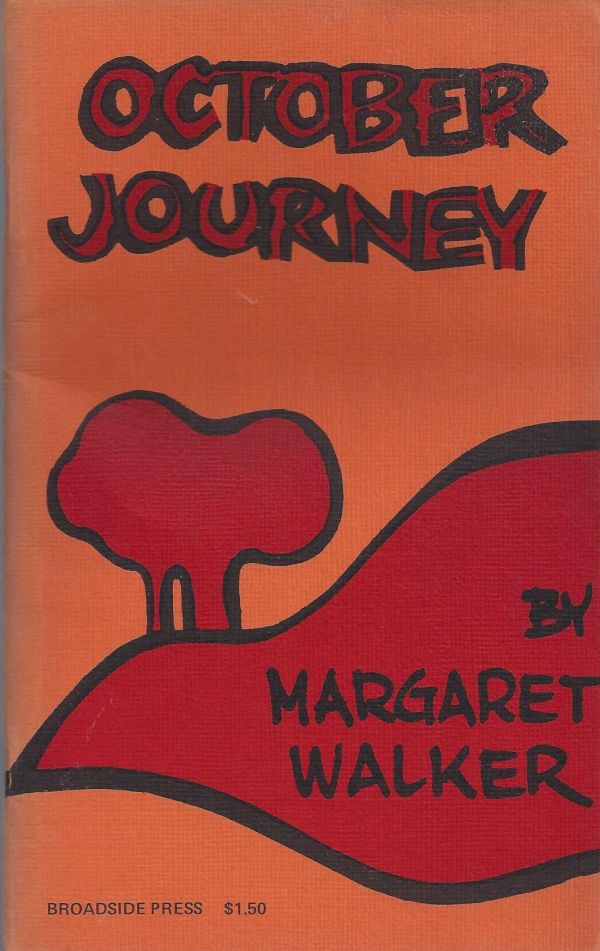
October Journey $70.00
Detroit: Broadside Press (1973)
Chapbook of Walker’s poetry. Very good in decorated wrappers.
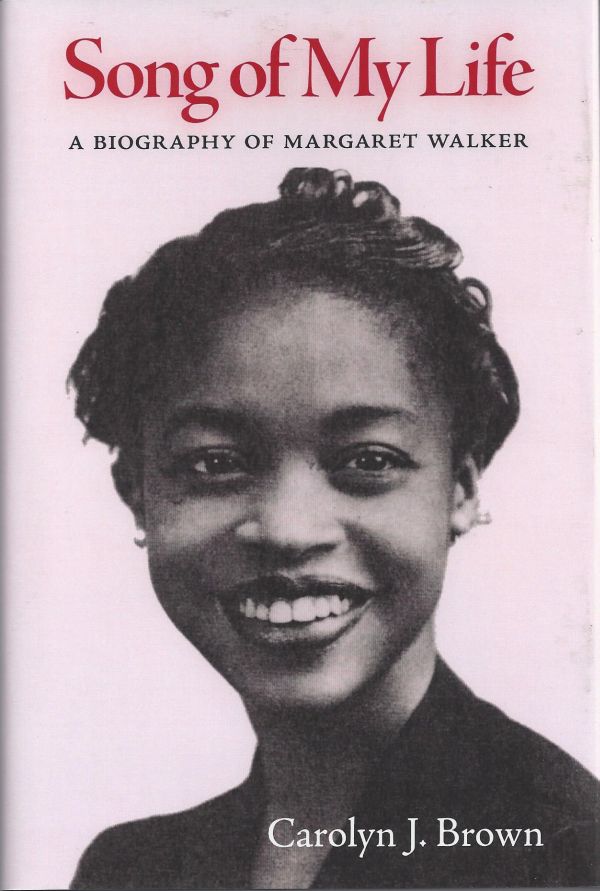
Song of My Life: A Biography of Margaret Walker $20.00
Jackson, MS: University Press of Mississippi (2014)
Margaret Walker (1915-1998) has been described as “the most famous person nobody knows.” This is a shocking oversight of an award-winning poet, novelist, essayist, educator, and activist as well as friend and mentor to many prominent African American writers. “Song of My Life” reintroduces Margaret Walker to readers by telling her story, one that many can relate to as she overcame certain obstacles related to race, gender, and poverty.
Walker was born in 1915 in Birmingham, Alabama, to two parents who prized education above all else. Obtaining that education was not easy for either her parents or herself, but Walker went on to earn both her masters and doctorate. from the University of Iowa. Walker’s journey to become a nationally known writer and educator is an incredible story of hard work and perseverance. Her years as a public figure connected her to Richard Wright, Langston Hughes, Alex Haley, and a host of other important literary and historical figures.
This biography opens with her family and those who inspired her–her parents, her grandmother, her most important teachers and mentors–all significant influences on her reading and writing life. Chapters trace her path over the course of the twentieth century as she travels to Chicago and becomes a member of the South Side Writers Group with Richard Wright. Then she is accepted into the newly created Masters of Fine Arts Program at the University of Iowa. Back in the South, she pursued and achieved her dream of becoming a writer and college educator as well as wife and mother. Walker struggled to support herself, her sister, and later her husband and children, but she overcame financial hardships, prejudice, and gender bias and achieved great success. She penned the acclaimed novel “Jubilee,” received numerous lifetime achievement awards, and was a beloved faculty member for three decades at Jackson State University in Jackson, Mississippi.
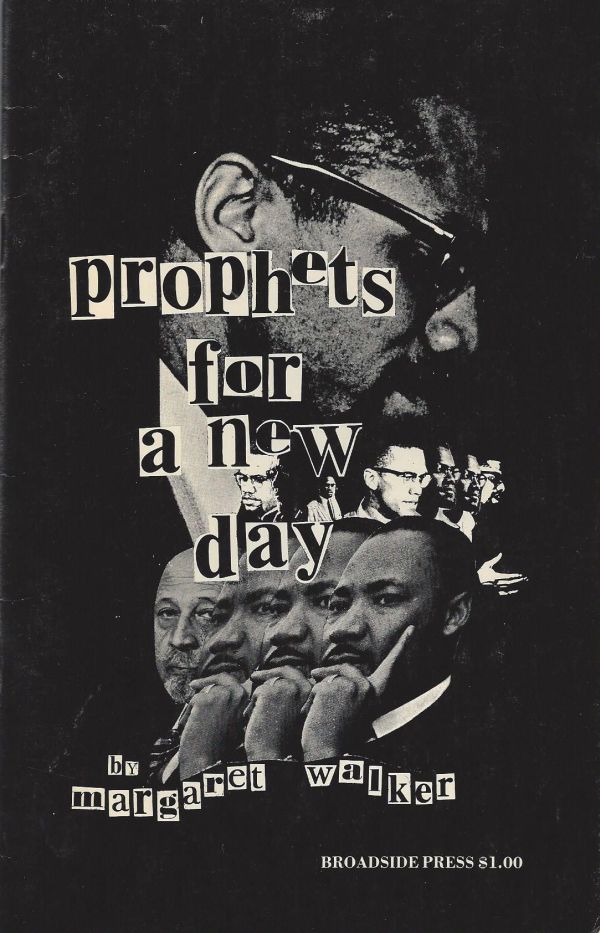
Prophets for a New Day $100.00
Detroit, Michigan: Broadside Press (1970)
Chapbook of Margaret Walker’s first book of poetry after her award-winning collection For My People.
Near fine in decorated wrappers.
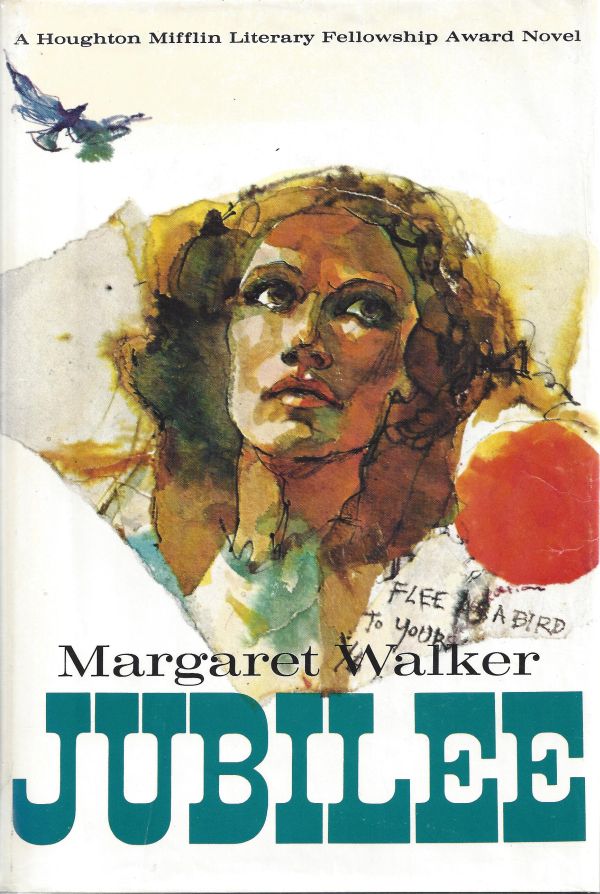
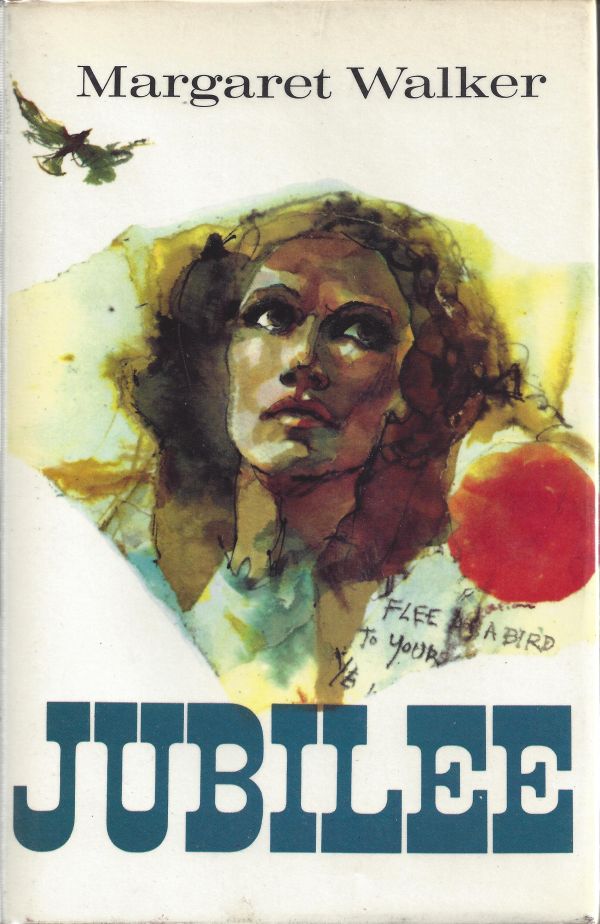
Jubilee $200.00
London: Hodder & Stoughton (1967)
First English Edition, published one year after the American edition.
Fine with dust jacket. A beautiful copy.
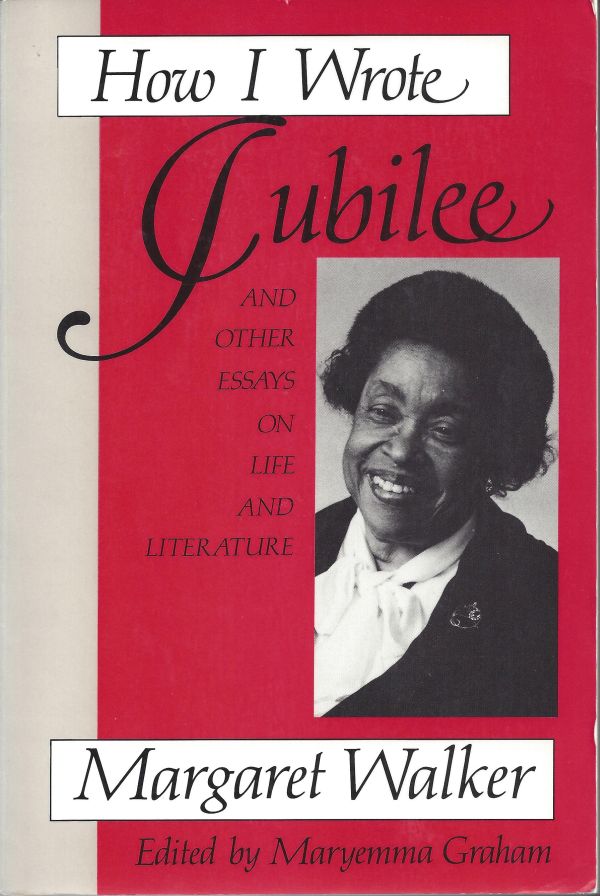
How I Wrote Jubilee And Other Essays $30.00
New York, NY: The Feminist Press (1990)
Very good in decorated wrappers.
Edited by Maryemma Graham.
Includes the essay “How I Wrote Jubilee” and essays about W. E. B. Du Bois, Richard Wright, Paul Laurence Dunbar, Langston Hughes, James Baldwin, Amiri Baraka, and many other African-American writers.
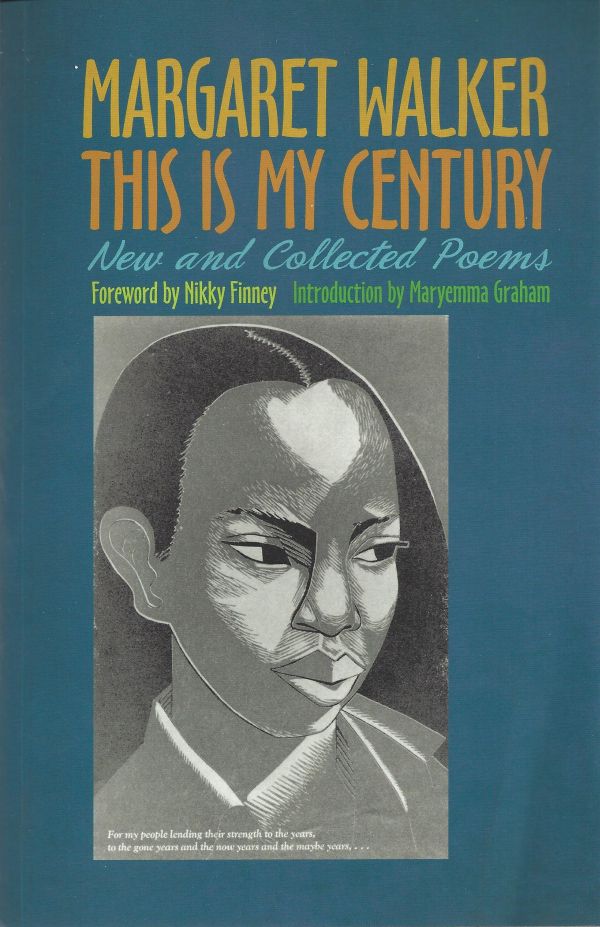
This Is My Century: New and Collected Poems $24.95
Athens, GA: University of Georgia Press (2013)
Foreword by Nikky Finney
Introduction by Maryemma Graham
In selecting Margaret Walker as the recipient of the Yale Series of Younger Poets in 1942—making her the first African American to receive this national literary award—Stephen Vincent Benét proclaimed hers a vibrant new voice, finding in her collection For My People “a controlled intensity of emotion and a language that, at times, even when it is most modern, has something of a surge of biblical poetry.”
Today, more than seventy years later, Walker’s voice still resonates with particular power. Addressing the literature and culture of black America, This Is My Century, first published in 1989, marked a significant contribution to American poetry, bringing together Walker’s selection of one hundred of her own poems. On the eve of the centennial of Walker’s birth, the University of Georgia Press is proud to reissue this classic of American letters. In addition to her award-winning debut collection, the volume includes Prophets for a New Day (1970), a celebration of the civil rights movement; October Journey (1973), a collection of autobiographical and dedicatory poems; and thirty-seven previously uncollected poems.
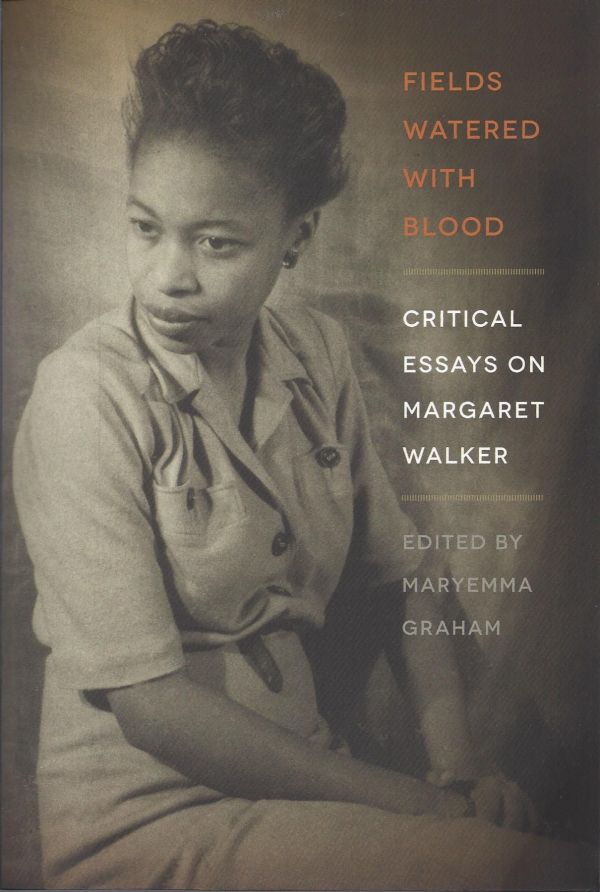
Fields Watered with Blood: Critical Essays on Margaret Walker $26.95
Athens, GA: University of Georgia Press (2014)
Edited by Maryemma Graham
Representing an international gathering of scholars, Fields Watered with Blood—now available in paperback—constituted the first critical assessment of the full scope of Margaret Walker’s literary career. As they discuss Walker’s work, including the landmark poetry collection For My People and the novel Jubilee, the contributors reveal the complex interplay of concerns and themes in Walker’s writing: folklore and prophecy, place and space, history and politics, gender and race. In addition, the contributors remark on how Walker’s emphases on spirituality and on dignity in her daily life make themselves felt in her writings and show how Walker’s accomplishments as a scholar, teacher, activist, mother, and family elder influenced what and how she wrote.
A brief biography, an interview with literary critic Claudia Tate, a chronology of major events in Walker’s life, and a selected bibliography round out this collection, which will do much to further our understanding of the writer whom poet Nikki Giovanni once called “the most famous person nobody knows.”
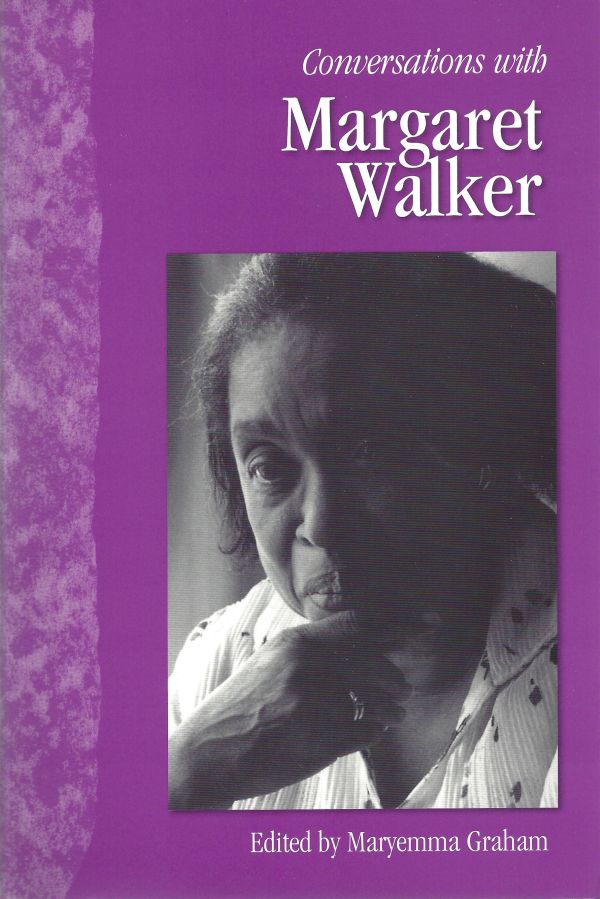
Conversations with Margaret Walker $25.00
Jackson, MS: University Press of Mississippi (2002)
Edited by Maryemma Graham
Margaret Walker (1915-1998) began her writing career as a poet in the late 1930s. But she was cast into the limelight in 1966 when her novel Jubilee was published to wide critical and commercial acclaim.
In interviews ranging from 1972 to 1996, Conversations with Margaret Walker captures Walker’s voice as she discusses an incredibly wide range of interests. The same erudition, wit, and love of language on display in Jubilee comes through in conversations, as well as her sense of moral authority–imbued by a resonant Christian humanism–and her attention to historical detail.
In a long 1972 conversation with fellow poet Nikki Giovanni, Walker argues about the tribulations and triumphs of motherhood, the presence of black women in literature, and race relations in American culture from 1900 to the present. With Marcia Greenlee in 1977, she talks extensively about her family’s history and her love of botany. In several of the interviews, her friendship with Richard Wright rises to the forefront. Even in her interviews with Claudia Tate and John Griffin Jones, in which the interviewers try to direct the conversations toward the mechanics and thought processes behind Walker’s writing, the talks often sweep into broader issues of African American culture, family history, and the past’s influence on the present.
This collection amply shows that Margaret Walker was a writer who considered her work to be deeply influenced by the culture around her. She viewed her writing as part of her larger life and not separate or distanced from her existence. Bracingly direct, witty, and oddly charming, the writer in Conversations with Margaret Walker is complicated, passionate, forceful, and piercingly intelligent.
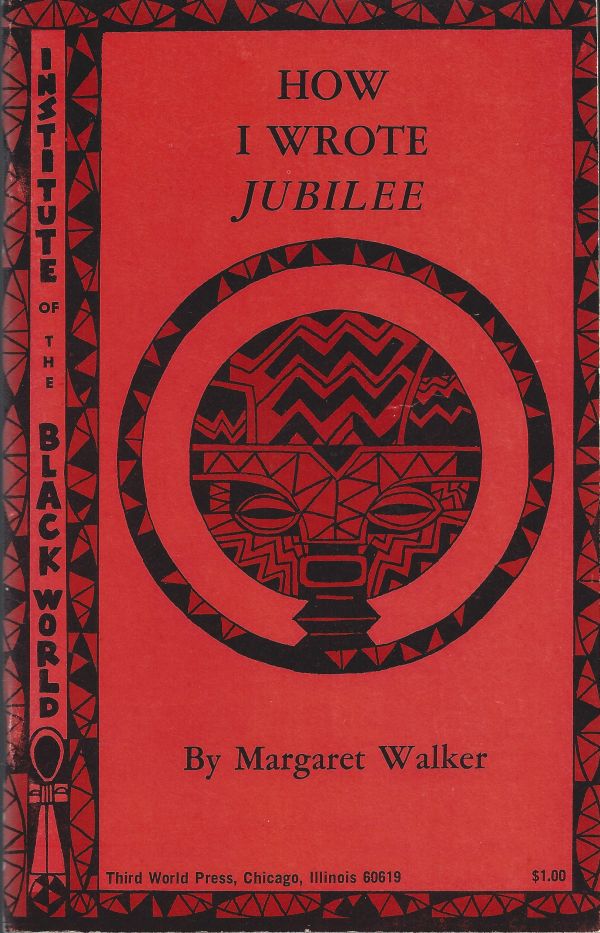
How I Wrote Jubilee $65.00
Chicago: Third World Press (1972)
Near fine in decorated wrappers.